
Testing, demystified.
The right evaluation, read the right way, changes the entire conversation.
By Tamar, founder of MYTI · A guide for parents staring down acronyms, waitlists, and reports written for someone other than them.
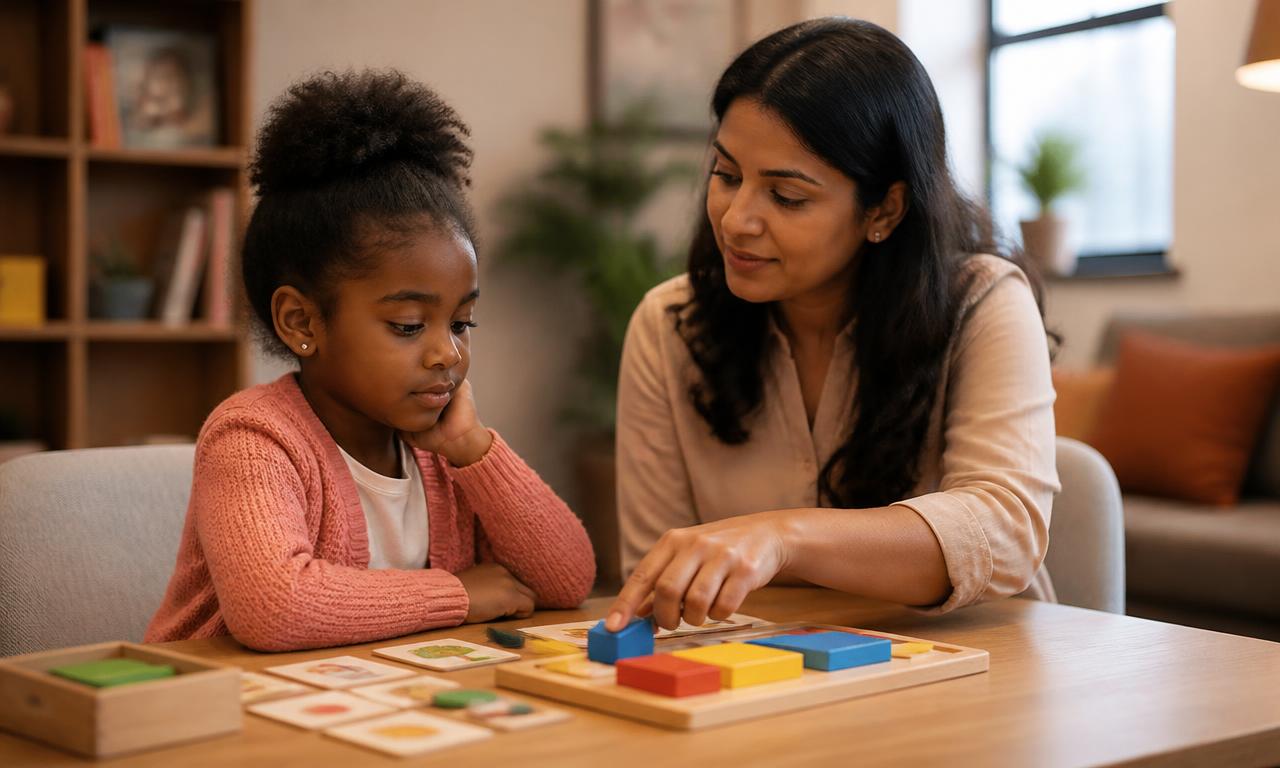
Not every struggle calls for a full evaluation, and not every "they're fine" from a teacher means they actually are. We start with the whole picture, what you're seeing at home, what the school is reporting, where things break down, and where your child quietly compensates.
From there we can tell whether testing is genuinely the next step, and if so, what kind of testing will answer the questions worth chasing. The signals below are the ones that most often mean it's time to look closer.
- 01
A widening gap between what they can do and what shows up on paper.
- 02
Teachers say "fine," home tells a different story.
- 03
An old evaluation that never quite explained what you're seeing now.
- 04
A diagnosis that covers one piece of the picture, not the whole child.
- 05
Meetings that keep circling without a plan you actually believe in.
A diagnosis is a label. A good evaluation is a portrait. For 2e kids the most useful answers almost never live in the headline — they live in the asymmetries underneath it. Why the verbal reasoning is two grade levels ahead of the written output. Why the processing speed sinks when working memory is loaded. Why the same child reads adult novels for pleasure and refuses to write a single paragraph.

Done well, testing helps you understand the shape of your child's mind: where they are genuinely ahead, where they are compensating, where a small accommodation would unlock enormous capacity, and where they are spending so much energy looking "average" that nothing is left at the end of the day.
That nuance is what changes a parent's posture. You stop asking "what is wrong with my kid" and start asking "what does this specific brain need to thrive." Those are very different conversations, and they lead to very different outcomes.
A diagnosis names something. An evaluation helps you understand it.
For 2e kids especially, the wrong evaluation can be worse than no evaluation, because it produces a tidy report that misses the actual child. Gifted strengths mask challenges. Challenges drag down gifted strengths. A generic battery sees neither, and writes "within normal limits" across a kid who is quietly working twice as hard as everyone else.

Together we map what you actually need answered, who is best positioned to answer it, and what a good evaluator should be willing to explore. You walk in knowing what to ask for, what to push back on, and what a polished but incomplete report looks like before you sign off on it.
A report that names the wrong thing politely is still the wrong report.
Knowing what testing you need is one thing. Getting your hands on it is another. The right evaluator may carry an eight-month waitlist, cost more than a used car, or sit two states away from the specialist you actually want. Most families discover this only after they've already lost a year.

Together we identify clinicians who genuinely understand 2e, draft the request so they hear what your child needs rather than a generic referral, and weigh the real trade-offs between school-based, private, and hybrid evaluations. Where appropriate, we build the case for the district to fund an independent educational evaluation, in the language and the form they are required to respond to.
That last piece is where many families quietly give up. It's also where the most leverage lives. You have rights here, real ones, and most parents were simply never told what they are or how to use them without burning the relationship to the ground.
A finished evaluation is the start, not the finish. Together we translate the findings into plain language, separate the recommendations that actually matter from the boilerplate, and map each one to the supports, services, and accommodations the school is responsible for providing.

You go into every meeting prepared, grounded, and clear on what you're asking for and why. Same data, very different outcome. The conversation stops being about whether your child is "trying hard enough" and starts being about what they actually need.
Doing right by a 2e kid is genuinely hard. I'll help.
Not sure where you are in this process? That's exactly the conversation a discovery call is for. Bring your questions, your reports, or just the messy version in your head.