The Cost of Masking, for Parents, Too
We talk about masking in kids. Less often about the 2E adults raising them while holding it all together.
Masking, the conscious or unconscious work of presenting as neurotypical, is exhausting at any age. It's especially exhausting when you're doing it while also parenting a 2E child who is themselves learning when, how, and whether to mask, often by watching you.
A lot of the 2E parents I work with discovered their own neurodivergence through their child's diagnosis. The assessment report came home, they read it carefully to understand their kid, and somewhere on page four they recognised themselves. Suddenly a whole lifetime of "why is this so hard for me when it looks easy for everyone else" starts to make sense. The school run that wipes you out. The dread of birthday parties. The way one critical comment from a colleague can echo for three days. The fact that you've been managing your sensory environment your entire life and just calling it being fussy.
That's a lot to process. It's also a lot to process while still doing school pickup, packing lunches, answering work emails, and being the calm one for everyone else in the house.
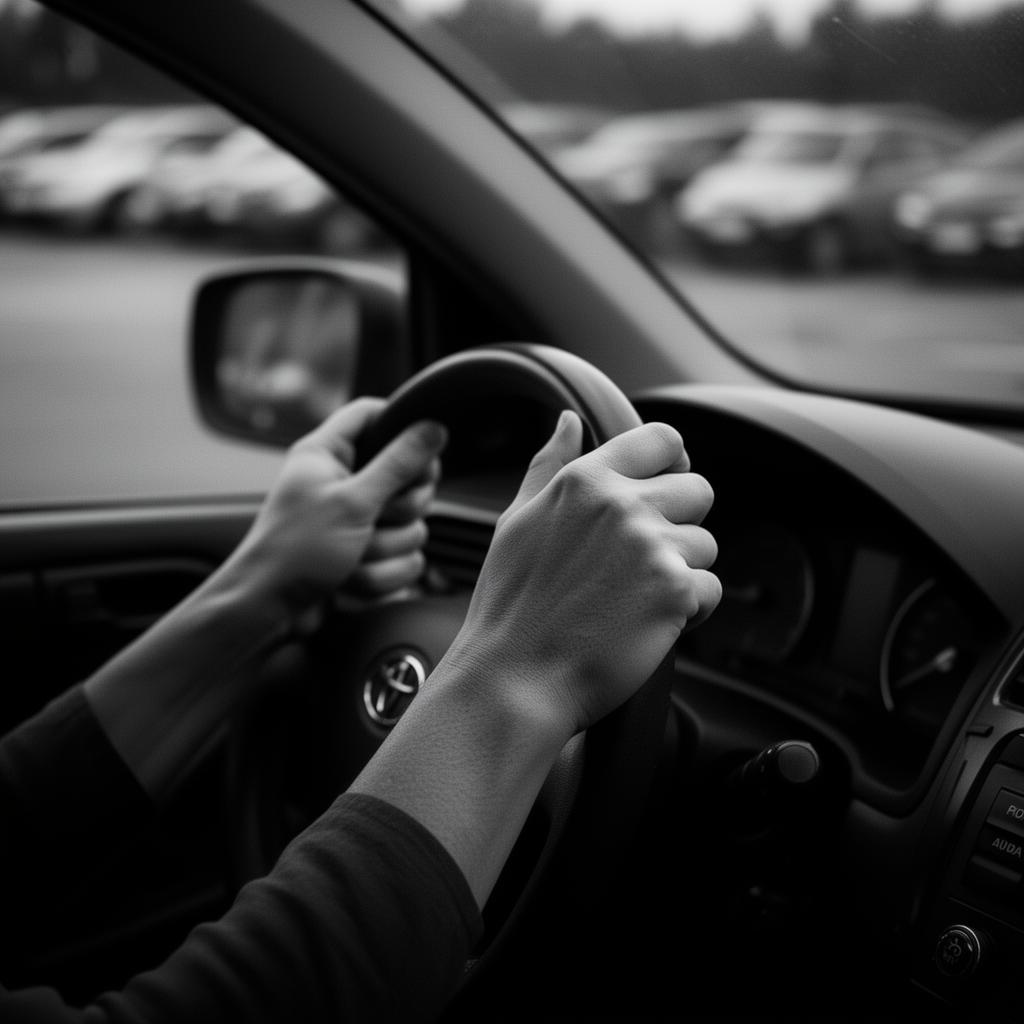
The cost of masking shows up in specific, recognisable ways. Burnout that sleep doesn't fix. Sensory overwhelm that gets worse in the evening, right around the time everyone needs you most. A short fuse with the people you love most, because they're the only people you've stopped performing for. A creeping sense that you're failing at things other parents seem to manage without thinking. Decision fatigue by 11am. The strange experience of crying in the car for no specific reason, and also for every reason.
You are not failing. You are doing two full-time jobs simultaneously, parenting and performing, and one of them is invisible to everyone, including, often, yourself.
The invisible job has a real cost, and naming it is the first useful step. Masking is work. It uses the same finite battery you need for everything else. If you spent six hours masking at the office, you do not arrive home with a full tank for bedtime negotiations, sibling mediation, and an unexpected meltdown about socks. You arrive home depleted, and then you are hard on yourself for being depleted, which costs more energy still.
Unmasking, even partially, in a safe context, is part of the work. Not in every context, not all at once, and not in ways that put you at risk. But somewhere. With a partner. With one trusted friend. With a coach. In a quiet hour with no demands. The point isn't to drop the mask publicly, it's to remember there's a face underneath it, and to spend time with that face often enough that you don't lose track of who's wearing the mask in the first place.
Real recovery also matters, and it is not the same as collapsing on the sofa after the kids are in bed. Collapse is what your nervous system does when you've ignored it too long. Recovery is something you plan for. It might look like a walk without a podcast. Twenty minutes alone in the car before going inside. A standing weekly thing that is yours, that you do not move for anyone. A bath with the door locked. Whatever genuinely refills your battery, not just whatever stops it from draining.
And the piece that surprises a lot of parents: the more you understand your own neurodivergence, the more usefully you can show up for your child's. You start to recognise their overwhelm before it tips, because you know what it feels like from the inside. You stop pathologising the same traits in them that you've spent a lifetime hiding in yourself. You give them, just by being a bit more yourself at home, permission to do the same.
That is not a small thing. It might be the most important thing.