On Raising Twins Who Are Exactly the Same and Completely Different
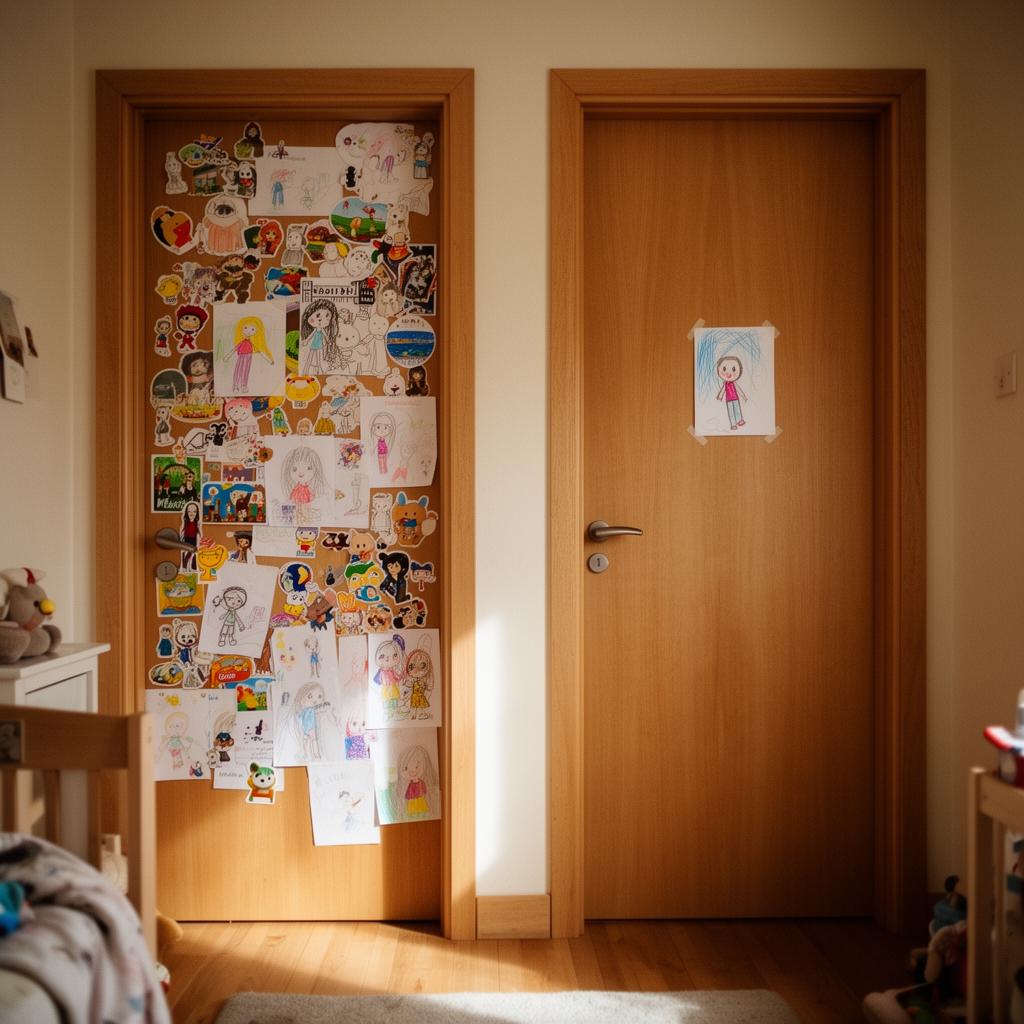
Two kids, one diagnosis, two entirely different humans. What identical twins taught me about individualized support.
My twins share DNA, a bedroom, a birthday, and a diagnosis. They do not share a nervous system, a learning style, a friendship group, a sensory profile, or a single opinion about dinner.
Raising them has been the most efficient possible lesson in how individualized 2E support has to be. The same accommodation that lets one of them thrive will reliably tip the other into shutdown. The same encouragement that motivates one reads as pressure to the other. The exact phrase that lands as comforting at bedtime for one of them is, for the other, the thing that starts the spiral.
If you'd told me before they were born that two children with the same genes, the same home, the same parents, and the same diagnosis would need such fundamentally different things, I would have nodded politely and then quietly assumed I'd find some kind of system that worked for both. There is no such system. There is paying attention.
One of mine wants warning before any transition. Five minutes, three minutes, one minute, every time, predictable as weather. The other finds that level of forecasting unbearable, like being told a hundred times that a wave is coming. For that one, a single clear cue at the moment of transition works better than any countdown. Same household. Same parent. Opposite needs.
One regulates through movement. The other regulates through stillness, and reads being asked to move as a demand. One processes a hard day by talking through every detail at length. The other processes by saying nothing for an hour and then mentioning, in passing, the one sentence that actually mattered. If I treated them the same, in the name of being fair, I would be failing both of them in different directions at once.
When schools, extended family, or well-meaning strangers say things like "but it worked for your other one," I've learned to respond with something short and clear: "They're different kids. Same label, different humans." It usually lands. When it doesn't, I repeat it. I have stopped explaining further. The explanation tends to invite debate, and there isn't one to be had.
The bigger takeaway, and the thing I carry into every coaching session, is this: a diagnosis tells you almost nothing about how to actually parent the child in front of you. It opens a door. It gives you a framework. It points you toward a community and a literature and a set of possible accommodations. All of that is genuinely useful. But the child themselves writes the rest of the instructions, in real time, every day, and the instructions change as they grow.
Our job, really, is to keep paying attention. To stay curious about the specific person, not the category. To resist the urge to apply last year's solution to this year's child. To notice when something has stopped working and to be willing to change it, even if the old thing took us months to figure out.
It is humbling work. It is also, on the good days, some of the most interesting work there is.